









I’ve lost count of how many times gym owners and distributors have told us they bought the wrong elliptical type and paid for it later in repairs, complaints, or poor usage. As a manufacturer, we see this mistake happen far more often than it should.
Those conversations are exactly why choosing the right equipment is never just about price or looks. It’s about matching the right machine to the right commercial setting.
At YR Fitness, we design and supply commercial ellipticals used in gyms across more than 100 countries, and we work directly with dealers and gym owners every day. Our experience comes from building, testing, and exporting equipment that meets ISO20957 standards, not just reviewing specs on paper.
In this guide, you’ll find a clear breakdown of the 9 main types of elliptical machines, how they differ, and where each one works best. By the end, you’ll know exactly which options fit your business goals, floor space, and member expectations.
If you’re tired of guessing and want practical clarity instead of marketing noise, you’re in the right place. This article is written to help you make confident, profitable decisions.
So, let’s break it down!
- Quick Comparison Chart
- 1. Front-Drive Elliptical Machines
- 2. Rear-Drive Elliptical Machines
- 3. Center-Drive Elliptical Machines
- 4. Standard Elliptical Trainers (Lower Body Focus)
- 5. Elliptical Cross Trainers (Full Body Workout)
- 6. Hybrid Elliptical Machines (2-in-1 / 3-in-1 Trainers)
- 7. Compact / Folding Elliptical Machines
- 8. Commercial-Grade Elliptical Machines
- 9. Smart Elliptical Machines
- Factors to Consider Before Choosing an Elliptical Machine
- Conclusion
Quick Comparison Chart
Choosing the right elliptical depends on space, budget, and what your members need. The list below gives you a side-by-side look at the main options. Use it as a quick guide before you go into the details.
Type of Elliptical | Key Feature | Space Needs | Best For |
Front-Drive | Flywheel in front, slight incline stride | Medium | Budget gyms, general cardio use |
Rear-Drive | Flywheel in back, smoother stride | Large | Clubs with room, natural stride feel |
Center-Drive | Balanced, compact design | Small to medium | Studios, gyms needing stability |
Standard Trainer | Lower body focus | Medium | Gyms with members focused on legs |
Cross Trainer | Handles for full-body workout | Medium to large | Gyms with diverse training needs |
Hybrid | Combines elliptical + bike/treadmill | Large | Facilities offering variety |
Compact/Folding | Small frame, foldable | Small | Gyms with limited space |
Commercial-Grade | Heavy-duty, long lifespan | Large | High-traffic gyms and clubs |
Smart Elliptical | Digital tracking, app features | Medium to large | Tech-focused gyms and modern clubs |
This table gives you a snapshot, but each type has its own role and value. Read more below to see how they compare in detail.
1. Front-Drive Elliptical Machines
Front-drive ellipticals are one of the most common types we supply to gyms. The flywheel is placed at the front, which changes the stride feel compared to other models. If you’re looking at cost, floor space, and general cardio training, this type often comes up as the starting point.
Best For
- Budget-Friendly Gyms: Front-drive machines are usually more affordable than rear or center-drive models. If you’re opening a gym or working with a tighter equipment budget, this can be a solid choice.
- Gyms With Mid-Sized Space: The design is more compact compared to rear-drive units. That makes it easier to fit into a room without needing as much depth.
Key Features
- Flywheel At The Front: The placement creates a slightly inclined stride. This gives users the feeling of climbing a low ramp, which can increase workout intensity.
- Incline-Like Motion: Members often notice their quads and lower body working harder. It’s not the same as a stair climber, but it adds variety to training.
- Simple Build: These machines usually have fewer moving parts compared to advanced models. That makes maintenance easier, especially in busy gyms.
- Compact Frame: The shorter length makes them a fit for gyms that need to save space. This is useful if you’re adding multiple units to one area.
Pros and Cons
Pros
- Lower Price Point: Front-drive ellipticals generally cost less than rear or center-drive machines. This allows you to stretch your budget and add more units without overspending.
- Higher Intensity Feel: The slightly upward stride pushes the legs more, which some members enjoy. It’s a good option for people who want to feel the burn quickly.
Cons
- Less Natural Stride: The incline effect can feel less smooth compared to rear-drive designs. Some members may notice it’s tougher on their hips or knees.
- More Noise: These machines tend to produce more sound than rear-drive models. If your gym values a quieter environment, this could be a drawback.
Final Thoughts
Front-drive ellipticals give you a practical entry point into this equipment category. They balance cost and performance in a way that works for many gyms.
If you’re equipping a mid-sized gym or adding cardio machines without breaking the budget, this type can deliver. Just be ready to manage more frequent service if your members use them heavily.
2. Rear-Drive Elliptical Machines
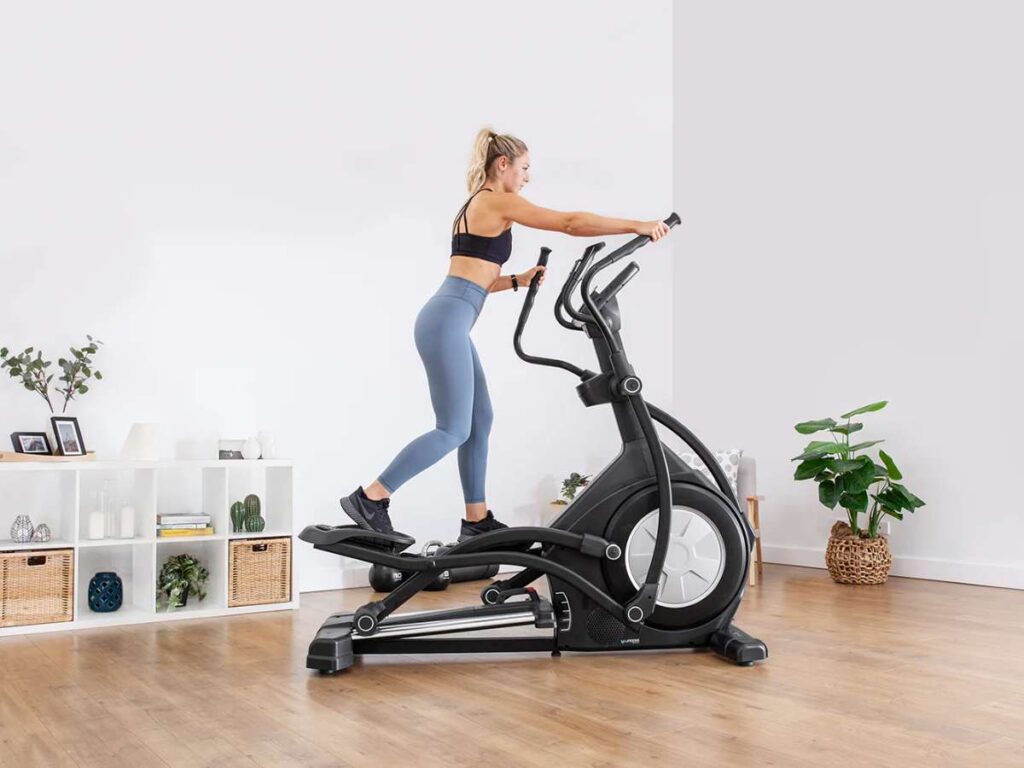
Rear-drive ellipticals have their flywheel placed at the back, which creates a smoother, more natural stride. Many gyms choose them when they want equipment that feels closer to walking or running. They take up more space, but they deliver comfort and reliability that members notice right away.
Best For
- Premium Fitness Clubs: Rear-drive models are often chosen by gyms that want to provide a higher-end cardio experience. The stride feels natural, and members can train longer without discomfort.
- High-Volume Gyms: If your facility gets heavy traffic, rear-drive units handle it well. Their durable build stands up to long hours of use without breaking down quickly.
Key Features
- Flywheel At The Back: The placement creates a smoother stride path. Users often describe it as feeling closer to natural walking or running.
- Extended Frame Design: These machines are longer than front-drive models, which means they need more space. It’s something to plan for when arranging your cardio area.
- Low Joint Impact: The stride reduces pressure on knees and hips. This appeals to members who want effective cardio without joint pain.
Pros and Cons
Pros
- Smooth, Natural Stride: Members will notice how comfortable the motion feels. It encourages longer workouts, which improves retention.
- Durable For High Traffic: Built to handle heavy daily use, these machines are reliable in busy gyms. That makes them a safe investment for long-term operation.
- Positive Member Experience: Because they are easier on joints, they fit a wide range of users, from beginners to athletes. This inclusiveness adds value to your facility.
Cons
- Higher Price: Rear-drive ellipticals cost more than front-drive options. It’s an upfront investment, but you gain durability and user satisfaction.
- Large Footprint: They take up more space due to the extended frame. Smaller gyms may find them harder to fit in.
Final Thoughts
Rear-drive ellipticals are built for gyms that want to deliver a premium cardio experience without compromising comfort. Because these machines are designed for long, smooth strides and heavy daily use, the quality of manufacturing plays a major role in long-term performance.
At YR Fitness, we manufacture rear-drive ellipticals with a strong focus on professional movement angles, long-term durability, and commercial reliability. As a one-stop supplier of commercial cardio and strength equipment, we help gym owners deliver a premium experience without paying inflated international brand prices.
If you’re planning to upgrade or source rear-drive ellipticals, talk to us and see how we can support your business growth with cost-effective, professional-grade solutions.
3. Center-Drive Elliptical Machines
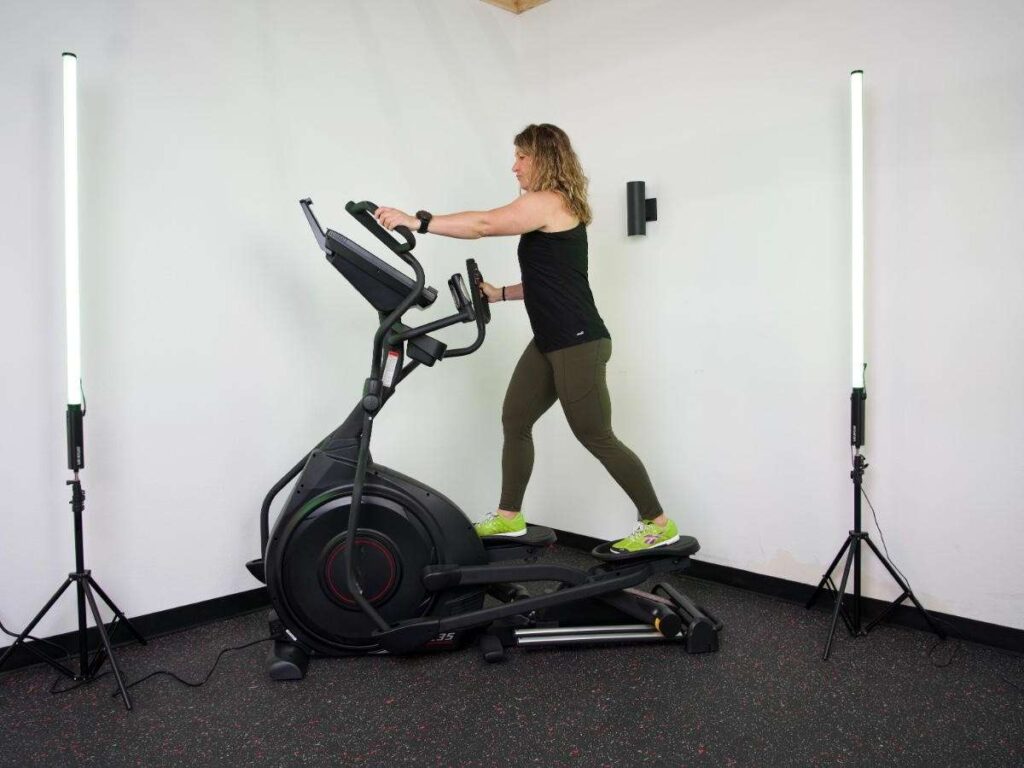
Center-drive ellipticals place the flywheel on either side of the user, creating a balanced design. They are more compact than rear-drive machines and usually shorter in length. This makes them easier to place in smaller gyms or studios without sacrificing workout quality.
Best For
- Studios With Limited Space: The shorter frame takes up less room, which makes them a good fit for studios or gyms where every square meter matters.
- Gyms Looking For Modern Layouts: With their upright build, center-drive machines have a clean look. They can help you keep a modern, organized floor plan.
Key Features
- Flywheel On The Sides: By placing the flywheel on either side of the user, the machine feels centered and stable. This can reduce rocking or wobbling during intense use.
- Compact Length: These machines don’t stretch out as far as rear-drive models. This is a major advantage in gyms that want to add more units in tight spaces.
- Simple Entry And Exit: With a center-focused design, stepping on and off is often easier. This makes the machine accessible for members with different fitness levels.
Pros and Cons
Pros
- Space Saving Design: Center-drive ellipticals need less floor space, so you can install more units in your cardio area. This is especially useful in growing gyms.
- Balanced Feel: The centered build creates a natural sense of stability. Members notice steady stride and are less worried about losing balance.
Cons
- Higher Cost: These models usually cost more than front-drive machines. Smaller gyms with tight budgets may hesitate at the price point.
- Less Natural Stride: Some users feel the stride motion is shorter compared to rear-drive ellipticals. For endurance athletes, this might be a drawback.
Final Thoughts
Center-drive ellipticals are a strong choice if you want compact machines that still deliver solid cardio training. Their stable and upright design makes them appealing to a wide range of members.
They work best for gyms or studios where space is tight but you don’t want to sacrifice quality. While the cost may be higher, the value comes through in layout flexibility and a professional look.
4. Standard Elliptical Trainers (Lower Body Focus)
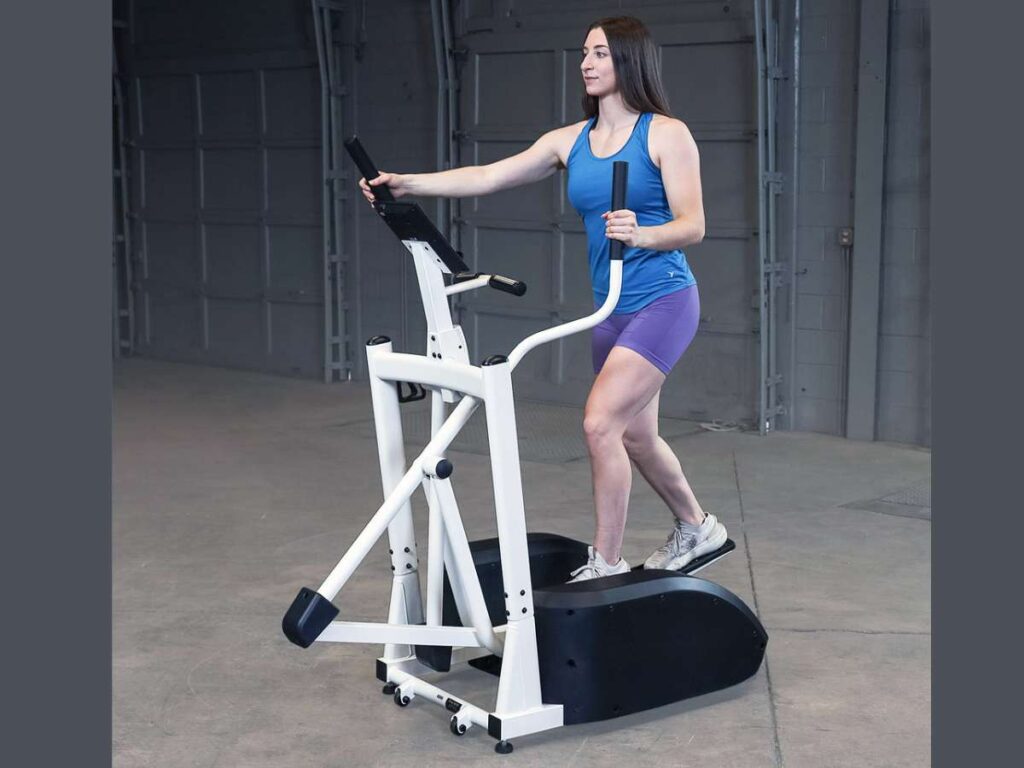
Standard elliptical trainers are often the entry point for many gyms. They focus mainly on the lower body, giving members a workout that feels similar to running but with less impact. These machines are straightforward, reliable, and fit well into most cardio areas.
Best For
- Gyms Serving Beginners: Members who are new to fitness can use these machines without confusion. The simple stride and controls make it easy to start a workout right away.
- Lower Body Training: These trainers focus on legs and glutes. If your members want cardio that also builds strength in the lower body, this machine fits the bill.
- Facilities With Mixed Users: From younger members to older adults, the lower body focus appeals to a wide range. It’s a versatile machine to add to your cardio lineup.
Key Features
- Forward And Backward Stride: Members can move in both directions. This small change helps target different muscles in the legs.
- Non-Moving Handles: Most models come with fixed handles. This keeps the focus on the legs instead of dividing the workout across upper and lower body.
- Low-Impact Training: The motion reduces stress on knees and ankles compared to treadmills. Members looking to avoid injury often choose this machine.
- Simple Controls: These ellipticals usually have straightforward settings. That means less time explaining features and more time spent exercising.
Pros and Cons
Pros
- Easy To Use: Members don’t need instructions to get started. This helps reduce staff workload and improves member satisfaction.
- Lower Price: Standard ellipticals often cost less than advanced models. For gyms watching expenses, they provide solid value.
Cons
- Limited Upper Body Training: Since handles are fixed, members don’t get a full-body workout. This can make the machine less appealing for people looking for variety.
- Basic Experience: Without extra features, the workout may feel too simple for advanced users. Some members may get bored over time.
- Less Appeal In Premium Gyms: High-end clubs often look for machines with more features. Standard trainers may feel out of place in those settings.
Final Thoughts
Standard elliptical trainers are practical and reliable. They offer a simple way for members to train their lower body without stressing their joints. These machines fit well in gyms that serve a wide range of people, especially beginners and those who want low-maintenance cardio equipment.
While they don’t provide the variety or upper body training of other models, their simplicity and lower cost make them a smart addition for many facilities.
5. Elliptical Cross Trainers (Full Body Workout)
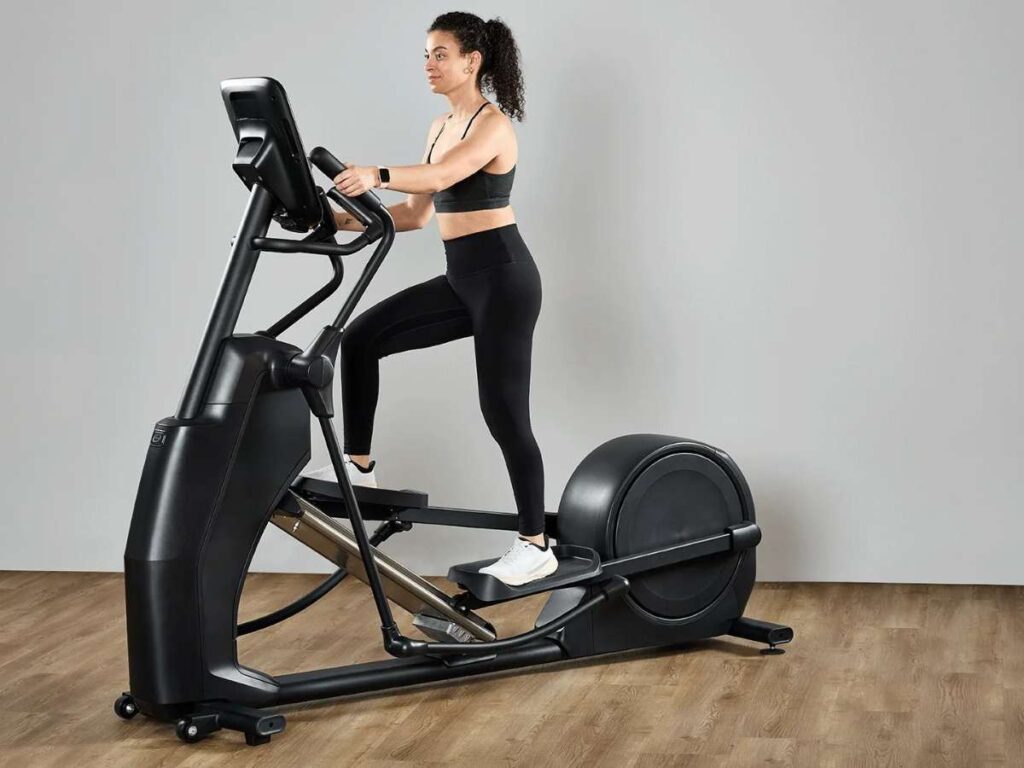
Elliptical cross trainers add moving handlebars to the standard elliptical design. This allows members to work both upper and lower bodies at the same time. They are popular in many gyms because they offer variety and more complete training in a single machine.
Best For
- Gyms With Diverse Members: Cross trainers appeal to a wide range of users. Whether beginners or experienced athletes, most members appreciate the added upper body involvement.
- Facilities Promoting Total-Body Workouts: These machines are a good choice if your gym highlights training programs that target the whole body. They support cardio and strength at once.
Key Features
- Moving Handlebars: The main feature is the set of handlebars that move with the stride. Members push and pull, engaging the chest, back, shoulders, and arms.
- Dual Action Training: Legs and arms work together, creating a balanced workout. This increases calorie burn and helps members feel more challenged.
- Adjustable Resistance: Most models include different resistance levels. This allows gyms to serve both beginners and advanced users in the same unit.
Pros and Cons
Pros
- Full-Body Training: These machines train both upper and lower bodies at once. Members feel they get more value in a single workout session.
- Higher Calorie Burn: The involvement of more muscles boosts energy use. For members focused on weight management, this is a strong selling point.
- Member Appeal: The variety makes these machines more attractive. Many gyms find that cross trainers get more use than standard ellipticals.
Cons
- Higher Price: Cross trainers usually cost more than basic ellipticals. Smaller gyms may need to weigh the benefits against the budget.
- More Maintenance: Moving handlebars means more parts that can wear out. This can increase service needs compared to standard trainers.
Final Thoughts
Elliptical cross trainers bring more training options to your gym floor. By working both upper and lower body, they give members a complete workout that feels efficient and effective.
These machines are often in high demand because they offer variety, calorie burn, and engagement. If your members value full-body training, adding cross trainers can raise the overall appeal of your cardio area.
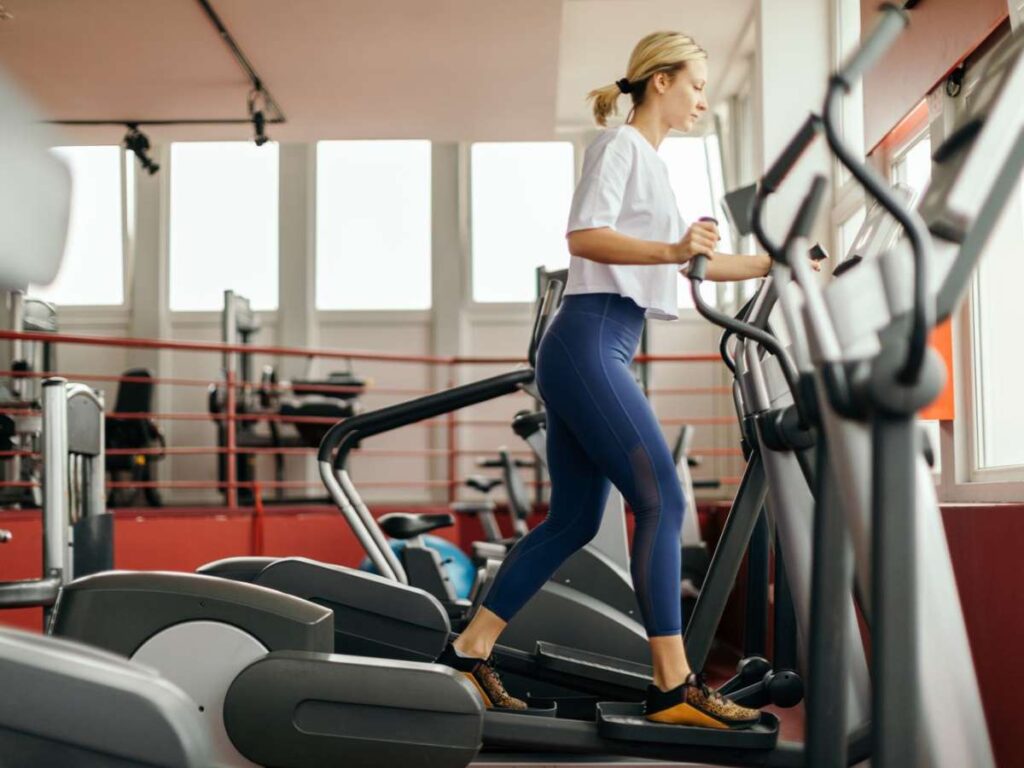
6. Hybrid Elliptical Machines (2-in-1 / 3-in-1 Trainers)
Hybrid ellipticals combine features of different cardio machines, usually an elliptical with a bike, treadmill, or stair stepper. They give members more ways to train without needing multiple machines. For gyms, this means saving space while offering variety.
Best For
- Gyms With Limited Space: One machine offers several workout options. This helps you maximize floor space while still giving members more choices.
- Studios With Small Budgets: By combining multiple functions, hybrids reduce the need to buy separate machines. It’s a practical way to stretch your investment.
Key Features
- Multi-Function Design: Most hybrids combine two or three cardio functions, such as elliptical and bike. Members can easily switch modes without moving to another machine.
- Adjustable Pedal Motion: The pedals often allow different stride patterns. This flexibility helps target different muscles depending on the workout selected.
- Compact Footprint: Many hybrids are smaller than having two separate machines. This makes them a good fit for facilities with limited rooms.
Pros and Cons
Pros
- Multiple Workouts In One: Members enjoy variety without needing to move between machines. This adds convenience and keeps them engaged.
- Space Efficient: Instead of buying several machines, you can add one hybrid unit. It helps gyms fit more options into the same area.
Cons
- Not as Strong in Each Mode: Because it combines functions, the performance in each mode may not match a dedicated machine. Serious athletes may notice the difference.
- More Complex Mechanics: With extra features, these machines have more moving parts. That can lead to higher maintenance needs over time.
Final Thoughts
Hybrid ellipticals give your members more training options in less space. They can be a smart investment if you need variety but can’t dedicate floor space to multiple cardio machines.
For smaller gyms and studios, they bring flexibility and convenience. Members get the benefit of changing workouts without moving around the room.
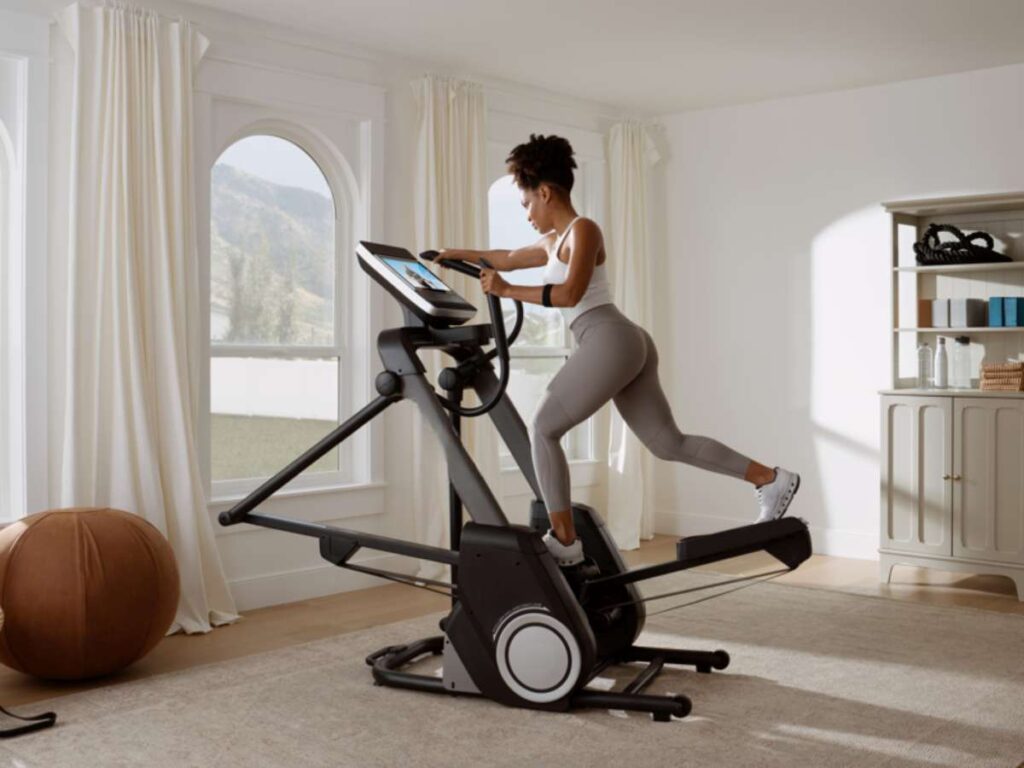
7. Compact / Folding Elliptical Machines
Compact or folding ellipticals are made for smaller spaces. They deliver the same cardio benefits as larger models but with a lighter build and collapsible design. For gyms and studios with limited rooms, these machines can be a practical way to expand cardio options.
Best For
- Studios With Tight Floor Plans: These machines fit into smaller rooms where traditional ellipticals won’t. They help you add cardio options without sacrificing too much space.
- Gyms Serving Small Communities: Smaller gyms can offer elliptical training without investing in bulky commercial units. It’s a way to balance cost, space, and function.
- Facilities That Move Equipment Often: Folding ellipticals are lighter and easier to reposition. If you regularly change your layout, these machines reduce the hassle.
Key Features
- Foldable Design: Many models can be folded and stored when not in use. This makes it easier to tuck away in multipurpose areas.
- Lightweight Frame: Built with smaller structures, these machines are easier to move. Staff can shift them around without heavy lifting equipment.
- Simpler Mechanics: Compact ellipticals often have fewer parts and settings. That keeps them user-friendly and reduces the chance of breakdowns.
Pros and Cons
Pros
- Space Saving: Folding or compact machines take up less room. They are perfect for gyms where every square foot counts.
- Lower Investment: These models usually cost less than full commercial ellipticals. Smaller gyms can expand their cardio lineup without overspending.
Cons
- Less Durable: Compact designs often use lighter materials. They may not stand up to heavy, daily commercial use over the long term.
- Limited Features: Members may miss advanced settings, incline options, or workout programs. This makes them less appealing in premium gyms.
- Shorter Lifespan: Folding machines are practical but not built for years of nonstop use. Gyms with high traffic will need replacements sooner.
Final Thoughts
Compact and folding ellipticals give gyms flexibility. They’re a practical choice if you want to add cardio options in spaces where full-sized units won’t fit.
These machines work best in smaller gyms or studios where budget and space are tighter. They help you serve members who want elliptical training without requiring a large investment.
While they aren’t as durable or feature-rich as commercial-grade models, they can still add value in the right setting. For certain gyms, they strike the right balance between space, cost, and functionality.
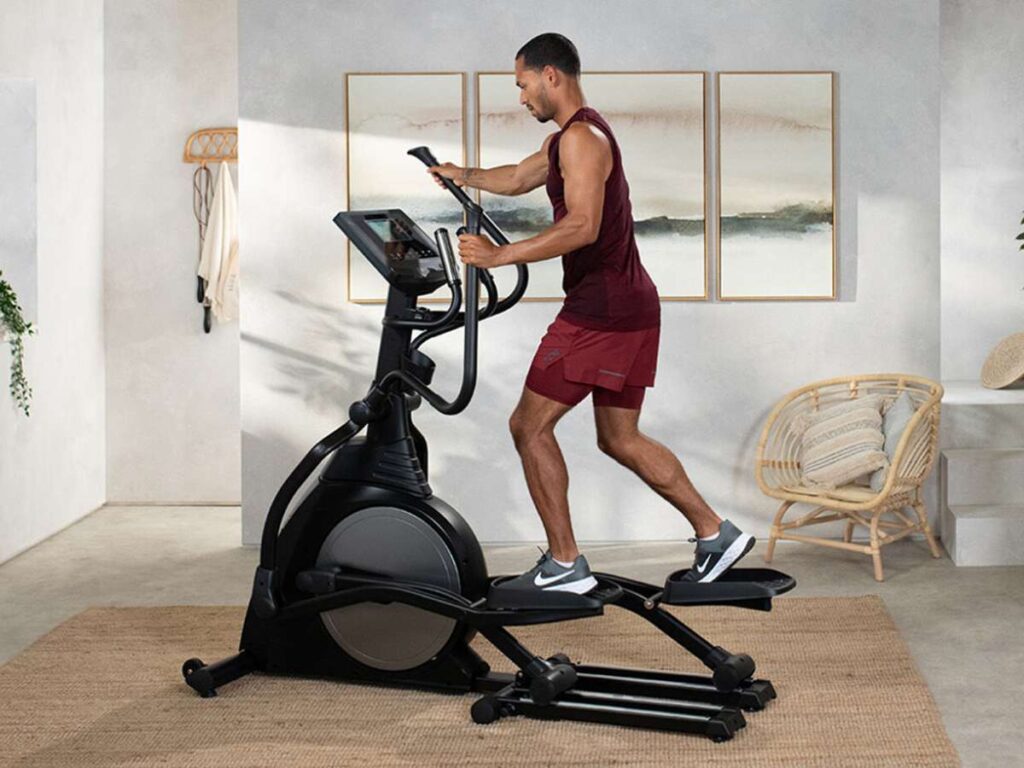
8. Commercial-Grade Elliptical Machines
Commercial-grade ellipticals are built for heavy daily use. They can handle the demands of busy gyms while keeping members comfortable and safe. If you’re focused on durability and long-term value, these machines set the standard.
Best For
- High-Traffic Gyms: These machines are designed to support constant use. They’re perfect for gyms where multiple members cycle through the same equipment every day.
- Premium Fitness Centers: Commercial-grade ellipticals carry advanced features that appeal to serious athletes and casual users alike. They help you maintain a professional image.
Key Features
- Heavy-Duty Build: Strong frames, reinforced parts, and high-quality materials are standard. This makes them last years even under tough conditions.
- Advanced Adjustments: Commercial ellipticals offer variable resistance, incline, and stride options. This helps gyms serve a wide range of fitness levels.
- Comfort-Focused Design: Longer stride lengths, ergonomic foot pedals, and smooth motion improve the member experience.
Pros and Cons
Pros
- Durable And Long-Lasting: Built for nonstop use, these machines keep working for years without major breakdowns. That saves you money in the long run.
- Member Satisfaction: Comfort, adjustability, and advanced features keep members happy. A good experience makes them more likely to stay loyal to your gym.
- Professional Image: Having top-level equipment signals quality. It helps your facility compete with other gyms in your market.
Cons
- Higher Investment Cost: Commercial-grade ellipticals cost more upfront. Smaller gyms may find the initial price harder to manage.
- Space Requirements: These machines are larger and heavier, which means you need more floor space and strong placement planning.
Final Thoughts
Commercial-grade ellipticals form the foundation of any serious fitness facility because they’re built to perform under constant use. At YR Fitness, commercial equipment is our core strength, and we design ellipticals to meet ISO20957 standards with durable frames, professional biomechanics, and long service life.
As a one-stop supplier exporting to over 100 countries, we help gyms and distributors compete with premium brands without taking on unnecessary cost pressure.
If you’re planning to invest in commercial-grade ellipticals that support long-term performance and profitability, reach out to our team to discuss the right solution for your facility.
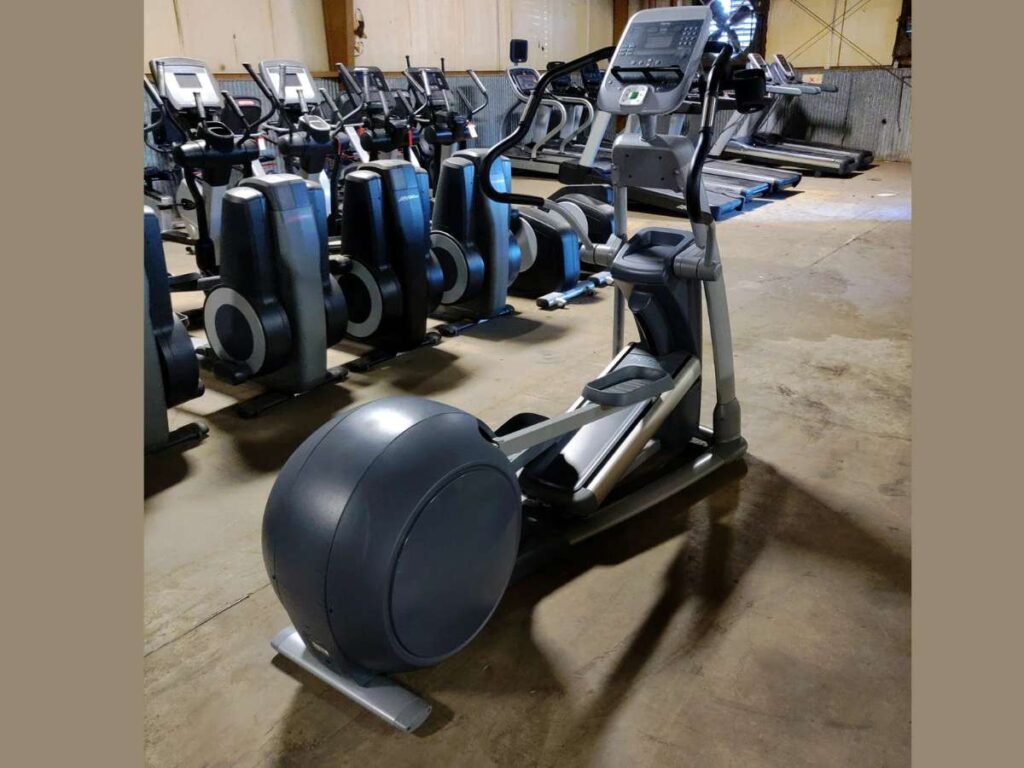
9. Smart Elliptical Machines
Smart ellipticals bring digital features to traditional cardio training. They connect with apps, track performance, and sometimes include interactive programs. For gyms, these machines can raise the level of engagement and keep members coming back.
Best For
- Tech-Focused Gyms: Facilities that want to appeal to younger or tech-savvy members will benefit. Smart features make workouts more interactive and modern.
- Studios Promoting Progress Tracking: Members who like to measure results appreciate detailed data. Smart ellipticals provide reports on calories, distance, and performance over time.
Key Features
- App Connectivity: Many models connect to fitness apps through Bluetooth or Wi-Fi. This gives members access to tracking, leaderboards, and training plans.
- Interactive Screens: Touchscreens allow users to follow virtual workouts or stream classes. It adds variety without needing extra staff-led sessions.
- Performance Tracking: Smart ellipticals measure heart rate, pace, distance, and calories. The data can sync to a member’s account for long-term progress.
- Custom Programs: Built-in software allows for guided training sessions. Members can follow interval, endurance, or strength programs without setting them manually.
Pros and Cons
Pros
- Higher Member Engagement: Digital features make workouts more enjoyable. Members who enjoy tech are more likely to stay consistent.
- Data and Tracking: Members can see progress over weeks or months. This motivates them to return and keeps them invested in your facility.
Cons
- Higher Purchase Cost: Smart machines cost more upfront than standard units. For gyms with tight budgets, this can be a barrier.
- More Maintenance: With advanced screens and software, there are more parts that can fail. Tech updates and repairs may also require specialist service.
Final Thoughts
Smart ellipticals combine fitness with technology. They keep members engaged, motivated, and connected to their training goals.
They are best suited for gyms looking to attract tech-minded members or compete with boutique fitness studios. For those facilities, the higher investment often pays off in member satisfaction and retention.
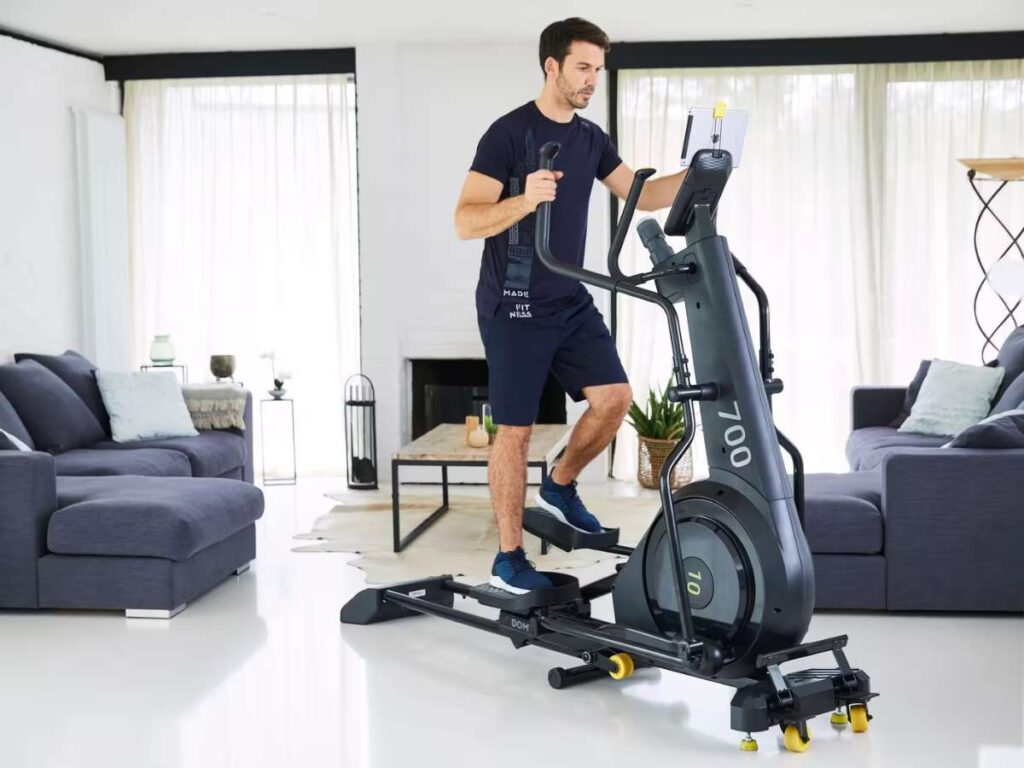
Factors to Consider Before Choosing an Elliptical Machine
Before you decide which elliptical machines to add to your facility, it’s worth stepping back and thinking about the bigger picture. Here are some key factors that will guide you in making the best decision for your space and your members:
- Space Availability: Measure your floor area carefully before buying. Some machines, like rear-drive models, need more room, while compact or center-drive options fit tighter spaces. Choosing the right size keeps your gym floor organized and safe.
- Budget and Long-Term Value: Price matters, but it’s not just about the upfront cost. Consider durability, maintenance, and how long the machine will last in heavy use. Spending more upfront can save you in the long run.
- Member Needs and Demographics: Think about who uses your facility. If you serve a younger crowd, smart ellipticals may be appealing. If your members include older adults or rehab clients, low-impact and joint-friendly models are a better match.
- Maintenance and Service: Every machine needs care, but some require more than others. Look into the availability of parts, ease of servicing, and how often your staff will need to check the equipment.
Conclusion
When we started, we talked about a gym owner struggling to find the right equipment. That challenge is real, and it’s one many of you face.
Now you’ve seen the 9 main types of elliptical machines, along with the pros and cons of each. Choosing well means balancing space, budget, and member needs. The right machine keeps your gym competitive and your clients satisfied.
At YR Fitness, we’ve helped owners and distributors solve these same problems with commercial-grade solutions built to last.
If you’re ready to upgrade your cardio floor with confidence, contact us today!
Related articles:



-8-1.png)